
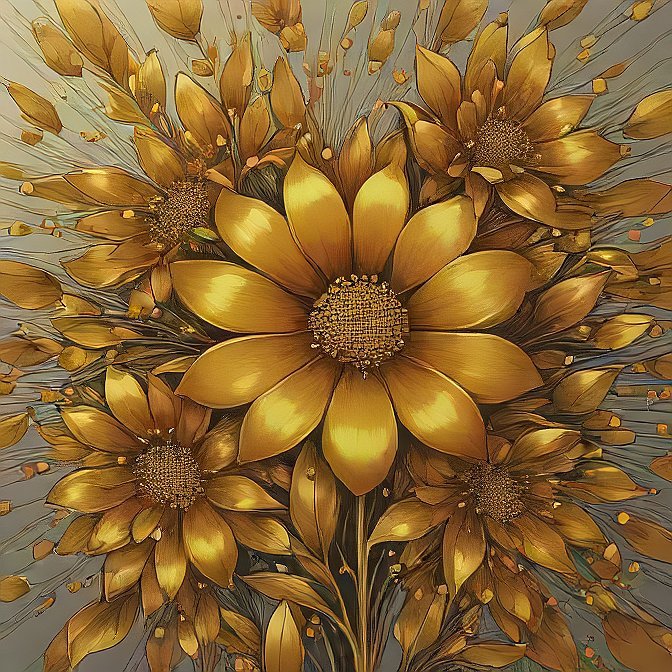
Flowers are among the most beautiful creations of nature. They add color, fragrance, and freshness to our surroundings. From expressing love and emotions to being used in medicines, decoration, and worship — flowers play an important role in human life and culture.
Let’s explore the different types of flowers, their importance, and uses in detail.
A flower is the reproductive part of a plant that produces seeds for the next generation. It is often colorful and fragrant to attract pollinators like bees, butterflies, and birds. Flowers not only help plants reproduce but also help maintain the balance of nature by supporting biodiversity.
Flowers come in countless varieties, but they can generally be categorized based on their life cycle, season, and purpose.
These flowers complete their life cycle in one season — from seed to bloom to seed again — and then die.
Examples: Marigold, Petunia, Zinnia, Sunflower.
Uses: Commonly used in gardens and decorations due to their bright colors and quick growth.
These flowers take two years to complete their life cycle. They grow leaves in the first year and bloom in the second.
Examples: Sweet William, Foxglove, Hollyhock.
These flowers live for many years and bloom every season.
Examples: Rose, Lily, Hibiscus, Lavender, Jasmine.
Uses: Long-lasting beauty for gardens and landscapes.
They love the sun and bloom in hot weather.
Examples: Sunflower, Marigold, Hibiscus, Lotus.
They thrive in cooler climates and add color to the season.
Examples: Rose, Dahlia, Chrysanthemum, Pansy.
They bloom during monsoon and spread natural fragrance.
Examples: Jasmine, Water Lily, Balsam, Tuberose.
Wild Flowers: Grow naturally without human care (e.g., Dandelion, Poppy).
Garden Flowers: Grown for beauty and decoration (e.g., Rose, Tulip).
Tropical Flowers: Thrive in humid climates (e.g., Orchids, Hibiscus).
Aquatic Flowers: Grow in or around water (e.g., Lotus, Water Lily).
Flowers are not only beautiful but also essential for the environment.
Pollination: Flowers attract insects like bees and butterflies that help in pollination, essential for fruit and seed formation.
Biodiversity: Flowers support a large ecosystem, feeding pollinators and other small creatures.
Air Purification: Flowering plants absorb carbon dioxide and release oxygen, purifying the air.
Soil Conservation: Some flower plants protect soil from erosion and maintain fertility.
Flowers have endless uses in our lives. Let’s look at their most important applications.
In almost every culture, flowers are seen as symbols of purity, peace, and devotion.
In Hinduism, flowers like Lotus, Marigold, and Jasmine are offered to gods and goddesses.
In Christianity, flowers are used in churches for decoration and offerings.
In Islam, rose petals are used at dargahs and during prayers.
Flowers represent divinity, gratitude, and love in spiritual practices.
Flowers are an essential part of:
Weddings: Used in garlands, bouquets, and mandaps.
Festivals: Like Diwali, Holi, and Onam, where flowers are used in rangolis and decorations.
Events and Functions: Bouquets and floral arrangements make every occasion bright and beautiful.
Many flowers have natural healing properties and are used in Ayurveda and modern medicines.
Chamomile: Used in tea for stress relief and better sleep.
Hibiscus: Strengthens hair and improves heart health.
Lavender: Reduces anxiety and improves mood.
Rose: Used in rose water for skincare and as a mild antiseptic.
Flowers like Jasmine, Rose, Lavender, and Tuberose are the backbone of the perfume industry. Their natural oils and extracts are used in:
Perfumes and deodorants
Soaps and creams
Scented candles and aromatherapy oils
Many flowers are edible and add flavor, fragrance, and color to food.
Rose: Used in gulkand, sweets, and syrups.
Banana Flower: Cooked as a healthy vegetable in Indian cuisine.
Lavender and Chamomile: Used in teas and desserts.
Saffron (Kesar): Derived from the Crocus flower, used as a luxury spice.
Environmental: Flowers help maintain ecological balance and improve soil and air quality.
Emotional: The presence of flowers reduces stress and increases happiness. A fresh bouquet can instantly lift mood and spread positivity.
| Flower | Symbolism | Common Use |
|---|---|---|
| 🌹 Rose | Love and beauty | Gift, perfume, worship |
| 🌻 Sunflower | Happiness and energy | Decoration, gardens |
| 🌷 Tulip | Elegance and grace | Gifting, décor |
| 🌸 Lotus | Purity and divinity | Religious use |
| 🌼 Daisy | Innocence and peace | Decoration |
| 🌺 Hibiscus | Strength and power | Herbal medicine |
| 🌹 Lavender | Calmness and healing | Aromatherapy |
Flowers are more than just beautiful petals — they are symbols of nature’s harmony. From temples to hospitals, from homes to gardens, flowers bring peace, purity, and joy everywhere they bloom. They connect humans with nature and remind us of life’s gentle beauty.
Let us all take care of the flowers around us — because protecting them means protecting our planet.